Commonly found along riverbanks, wetlands, canals and moist soil areas. Grows in tropical and subtropical regions, especially in India, Mediterranean countries and Southeast Asia.
Morphology
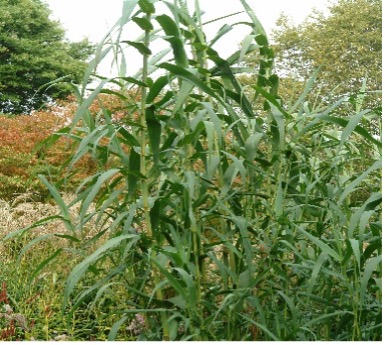
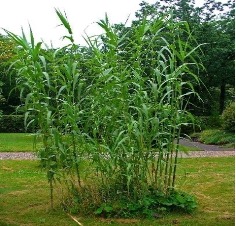
Gows up to 6–10 meters in height
Stems: Hollow, jointed, similar to bamboo but softer
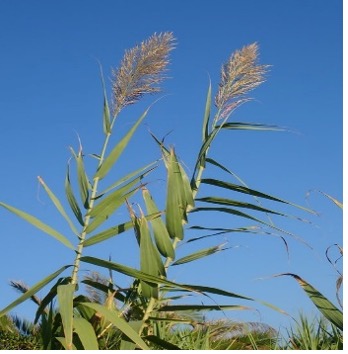
Leaves: Long, linear-lanceolate, green and tapering
Flowers: Purple to brown panicles, flowering rarely in some regions
Rhizomatous root system helps in rapid vegetative propagation
Used in urinary problems like dysuria and burning micturition.
Effective in fever and inflammatory conditions.
Helps in jaundice, internal heat, and thirst.
Traditionally used to treat wounds and skin irritation.
Roots are known to relieve Pitta disorders and reduce inflammation.
Useful Part
Root, Rhizome, Stem
Doses
Kwath (decoction): 20–50 ml
Churna (powder): 2–5 g
Swarasa (juice): 10–15 ml (from fresh root)