भूतजटा - भूतों के समान जटा वाली
तपस्विनी - जटायुक्त होने के कारण
सुलोमशा - अधिक रोमों वाली
नलदा - सुगन्धित
जटामांसी - जटायुक्त मांसल काण्ड
Habit
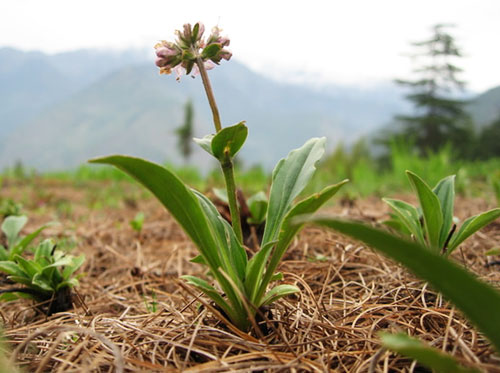
Erect, perennial herb with a long, woody, rhizomatous rootstock.
Habitat
Grows in steep, moist, rocky, undisturbed grassy slopes at high altitudes (2300-6000 m) in the Himalayan region, including India, Nepal, Bhutan, and China.
Morphology
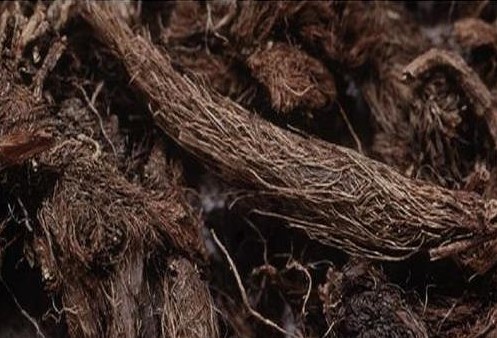
Rhizome – woody, stout, covered with fibrous remains of the petioles of radical leaves.
Leaves- Long, sessile, oblong-ovate, 15-20cm long
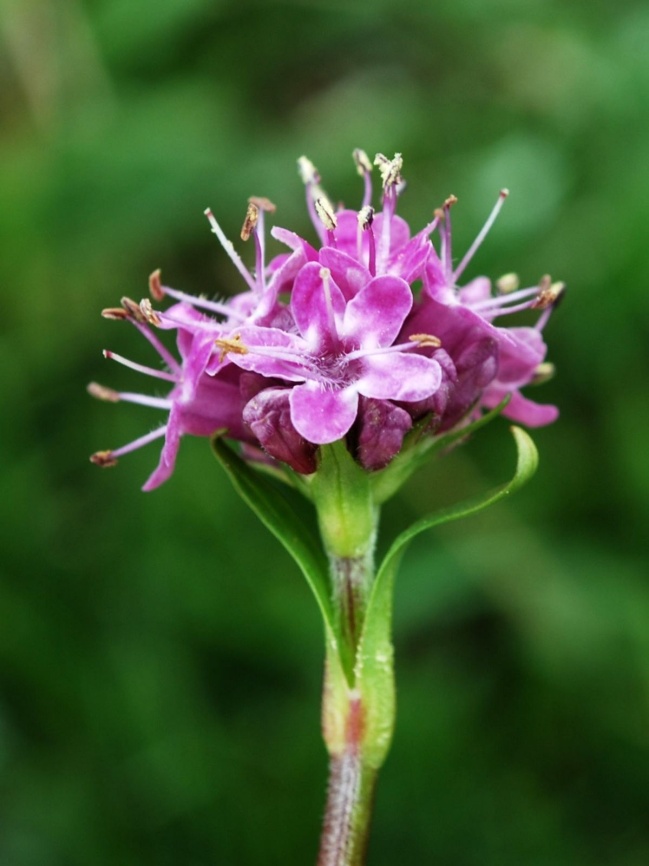
Flowers- Small, slightly blue or pink, in dense cymes (clusters).
Inflorescence: Compound heads, capitula of cymes.
Aroma: The plant has a distinctive, lingering aroma
Uses: The rhizomes are used in traditional medicines for a variety of purposes.